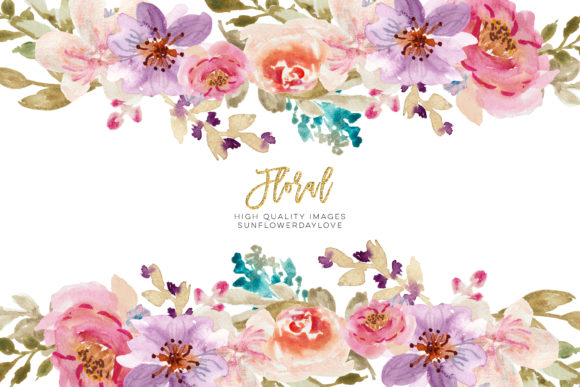
Review: Watercolor Pink Lilac Spring Clipart for Embroidery
As a designer who spends more time staring at stitch maps than most people spend on their phones, I approach every new digital embroidery file with a mix of excitement and skepticism. When I first opened the Watercolor Pink Lilac Spring Clipart, my immediate reaction wasn't just about the aesthetic; it was about translation. How does this soft, fluid illustration translate into the rigid, structured world of thread? This isn't just a pretty picture; it's a potential asset for your craft business, and it needs to hold up under the needle.
The First Impression: Mood and Market Fit
The visual personality of this design is undeniably gentle. It captures that specific "spring renewal" mood that sells incredibly well in March and April. The color palette suggests soft pinks and muted purples, which typically require careful thread selection to avoid looking muddy or overly neon when stitched. For an Etsy seller or boutique owner, this kind of imagery fits perfectly into the current trend of cottage-core aesthetics and minimalist nursery decor. However, because the source material is categorized under Illustrations, the challenge lies in simplifying those watercolor gradients into distinct stitch types without losing the dreamy quality that makes the original art appealing.
Real-World Application: The Tote Bag Test
To truly evaluate this design, I imagined a specific real-life scenario: a custom order for a local farmer's market vendor who needed branded tote bag design elements for her spring collection. She wanted something that felt handmade but professional. Placing the Watercolor Pink Lilac Spring Clipart on a natural canvas tote creates an instant elevation in perceived value. Unlike a blocky logo, this design suggests artistry.
In this context, the design works beautifully as a central focal point. If you are creating a handmade product like a market bag, the organic shapes of the lilac blooms allow you to play with satin stitch borders and softer fill stitch interiors. The result is a texture that invites touch. Customers are far more likely to engage with a product that looks like a painting brought to life through thread rather than a standard printed graphic. This emotional connection is what turns a browser into a buyer.
Navigating Fabric Textures and Challenges
While the design shines on stable woven fabrics like canvas, linen, or cotton twill, caution is required when moving to trickier materials. If you plan to use this for sweatshirt embroidery on fleece or French terry, you must account for the fabric texture. The loops of the fleece can swallow fine details. In this case, you might need to simplify the stitch density or increase the size of the design slightly to ensure the running stitch details don't get lost in the pile.
Similarly, using this on stretchy knits for custom apparel like t-shirts requires a robust stabilizer strategy. The delicate nature of watercolor-style art means that if the fabric shifts even a millimeter during stitching, the registration of the colors will be off, ruining the soft blend effect. For baby embroidery projects, where comfort is paramount, you must ensure the back of the stitching is clean and free of itchy jump stitches. A tear-away stabilizer might not be enough here; a cut-away might be necessary to support the design long-term, provided the edges are well-covered.
Where to Use Carefully
- Small Hoop Sizes: If you attempt to shrink this design for a pocket logo or a small embroidered patch, the intricate details of the petals may merge. Always check the minimum recommended size before committing.
- Dark Fabrics: Watercolor effects rely on light passing through layers. On dark navy or black garments, you may need to add an underlay or change the thread colors to pastels that pop, otherwise, the design will look dull.
- Curved Surfaces: Applying this to a cap is risky due to the curvature. The centering must be perfect, and the design should not be too wide, or the distortion will make the lilacs look warped.
- Frequent Washing: Items like kitchen towels or aprons undergo rigorous washing. Ensure the thread colors are colorfast and the stitch count is dense enough to withstand friction without fraying.
Enhancing Brand Value and Professionalism
Using high-quality assets like the Watercolor Pink Lilac Spring Clipart directly impacts your brand consistency. When a customer receives a personalized gift featuring crisp, well-digitized florals, it builds trust. It signals that you care about the details. Conversely, a poorly executed version of this design—with gaps in the fill or jagged edges—can cheapen the entire finished product.
For those selling design assets or printable mockups, this illustration offers versatility. It can be marketed as part of a spring bundle for holiday embroidery projects, such as Easter table runners or Mother's Day pillow covers. The key is presentation. Showcasing the design on a variety of mockups—from a chic blazer pocket to a rustic burlap banner—helps buyers visualize the potential, increasing buyer engagement and conversion rates.
Practical Notes for the Designer
Before you load this onto your machine for a client order, there are several critical steps to take. First, always test the design on scrap fabric that matches your final project material. This is non-negotiable. You need to see how the stitch density interacts with the weave. Second, review the thread color contrast. Watercolor implies blending; ensure your digitizer (or you, if you are editing the embroidery file) has used appropriate color stops to mimic that gradient effect without using too many thread changes, which can frustrate production timelines.
Inspect the small details closely. Are the tiny leaves defined, or do they look like blobs? If the design includes any lettering, verify that it is legible at your intended size. It is also wise to test the design in a black-and-white preview mode on your software to check for structural integrity independent of color. Finally, and perhaps most importantly for commercial users, confirm licensing. Just because you purchased the clipart does not automatically grant you the right to resell the digitized file or unlimited finished goods. Always read the terms to protect your small shop product line from legal issues.
In conclusion, the Watercolor Pink Lilac Spring Clipart holds significant promise for the thoughtful embroiderer. It bridges the gap between digital art and tactile craft. With the right preparation, fabric choice, and attention to technical details, it can become a staple in your spring catalog, delighting customers with its softness and charm. Treat it with the respect it deserves, and it will pay dividends in customer satisfaction.